

Damp Proofing That Starts With the Diagnosis
Rising damp, bridged damp courses and wet walls treated across Atherton and the surrounding towns, with the replastering done by the same firm.
Damp Proofing, Start to Finish
Damp is the most misdiagnosed problem in British houses. Half the walls we get called to aren’t rising damp at all. Some need a gutter fixing, some need ventilation, and only some need a damp course. The first visit is about finding out which one you have.
The housing stock around Atherton, Leigh, Tyldesley and Hindley keeps damp work busy. Thousands of solid-brick terraces went up round here for the collieries and the mills over a century ago, built with slate damp courses that have since cracked, or had their walls rendered and paths raised until the damp course was bridged. The symptoms are always the same: a tide mark creeping up the wall, blown plaster at skirting level, wallpaper lifting low down and a musty smell that never quite goes.
We handle the whole job under one roof. Diagnosis first, then treatment, whether that’s a new chemical damp proof course, removing the bridging, or tanking a problem wall. Then the part many damp firms leave to someone else: hacking off the salt-ruined plaster and replastering it. We’re plasterers by trade, so the wall ends up dry and finished. Quotes are free and in writing.
- Diagnosis first: rising, penetrating or condensation
- Chemical damp proof course injection
- Bridged and failed damp courses sorted
- Salt-contaminated plaster hacked off and reinstated
- Tanking for stubborn problem walls
- Replastering included, done by plasterers
On the Job
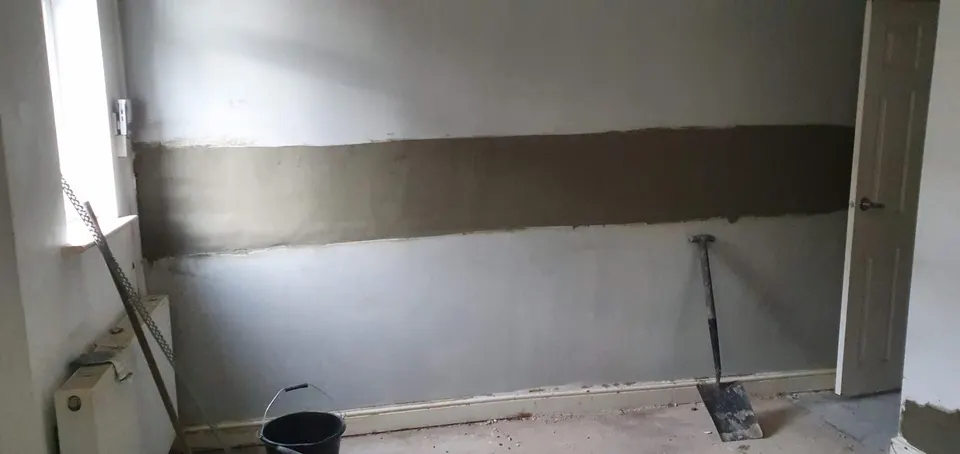
A wall stripped back for damp treatment: old plaster hacked off at low level, ready for the new damp proof course and replastering.
Diagnosis Before Treatment
There are three kinds of damp and they need three different fixes. Rising damp climbs from the ground through brick and mortar when the damp course has failed or been bridged. Penetrating damp comes in sideways, through cracked render, failed pointing, leaking gutters or raised ground levels. Condensation forms on cold surfaces inside the house and grows mould. Treat the wrong one and the problem stays.
So the first visit is about evidence. We take moisture readings and note where on the wall they sit, then look at the damp course outside, the ground levels, the render line, the pointing and the rainwater goods. You get told which damp you have and why. If the fix is a gutter repair rather than an injection course, that’s what goes on the quote.
Rising Damp and Damp Course Injection
Where it is rising damp, the fix is well proven. We drill the mortar bed at low level and inject a damp proofing cream that spreads through the brickwork and cures into a water-repellent barrier, doing the job the original slate damp course did when the house was built. It’s tidy, it works from outside or inside as the wall allows, and it doesn’t need the disruption people fear.
The injection is only half the job. Ground moisture carries salts up into the wall, and those salts stay in the old plaster, pulling moisture out of the air for years afterwards. That’s why a wall can still look damp long after a course has been injected. The contaminated plaster has to come off, and the wall needs reinstating with a salt-resistant system before it’s skimmed. That replastering is our trade.
Bridged Damp Courses and Penetrating Damp
A lot of rising damp round here isn’t a failed damp course at all. It’s a sound one that’s been bridged: render carried down past the damp course to the floor, a concrete path laid higher than the original ground level, a flower bed piled against the wall, or debris in a cavity. Moisture crosses the barrier and climbs. The fix is to remove the bridge, and we check for one before recommending injection.
Penetrating damp shows as patches that darken after rain, often around chimney breasts, window reveals and gable walls. On solid brick, worn pointing and cracked render let wind-driven rain through. We sort the pointing on the affected area and make the wall good inside once it has dried down. Where the cause is roofing, guttering or a failed render coat, we name it and you bring in the right trade for that part.
Tanking and Problem Walls
Some walls can’t be kept dry from the outside: below-ground sections, retaining walls, or old solid walls where the moisture source can’t be fully removed. For those we use tanking, a waterproof coating or membrane applied to the inside face that holds the moisture back, then board or render and skim over it for a normal decorated finish.
Tanking stands or falls on preparation, so the wall gets taken back to a sound substrate and the system is built up in the right layers. Where fixing the source outside is the better and cheaper answer, that’s the one we quote.
What Damp Proofing Costs
Every damp job is priced from what we find. An injection course on one wall of a terrace with replastering is a different job to tanking a gable end. Once we’ve looked, you get a free written quote that spells out the treatment, the replastering spec and the price, usually within 48 hours.
Check any damp quote for the replastering. If it isn’t listed, the biggest part of the cost is missing from the number, or the old salty plaster is staying on the wall. Ours include the wall finished, because a damp job isn’t done until you can decorate it.
Damp Proofing FAQs
Rising damp climbs from the floor and stops around a metre up, usually with a tide mark and blown plaster at skirting level. Condensation sits on cold surfaces, in corners, on window reveals and behind furniture on outside walls, and usually comes with black mould. Rain-triggered patches higher up are penetrating damp. We take moisture readings before recommending anything.
Yes, when the wall has rising damp and the replastering is done as part of the job. Injection cream forms a barrier in the mortar bed. Problems come when it’s sold for walls that never had rising damp, or when the salt-contaminated plaster is left on and stains through. We only recommend it when the readings support it, and the plaster is always part of the quote.
It depends on how many walls are affected and what the treatment is. A single injected wall with replastering costs less than most people expect, and less than redecorating every year over a wet wall. We look first, then give you a free written quote with the full scope, usually within 48 hours.
Yes. We’re plasterers by trade, so after treatment the salt-contaminated plaster comes off and the wall is reinstated with a salt-resistant system and skimmed ready for paint. One firm and one quote covers the wall from wet to finished.
The wall needs time to dry down after treatment and replastering, typically a few weeks depending on how wet it was and the time of year. Decorate too soon and moisture gets sealed in. We give you timings for your wall, and breathable paint is the right choice for the first round of decorating.
Damp Proofing Where You Are
We work within about half an hour of our Atherton base. Pick your town for the local detail.
Atherton
Damp Proofing in Atherton, covering Hag Fold and Howe Bridge.
→Tyldesley
Damp Proofing in Tyldesley, covering Shakerley and Gin Pit.
→Leigh
Damp Proofing in Leigh, covering Pennington and Westleigh.
→Astley
Damp Proofing in Astley, covering Higher Green and Blackmoor.
→Hindley
Damp Proofing in Hindley, covering Hindley Green and Castle Hill.
→Westhoughton
Damp Proofing in Westhoughton, covering Wingates and Daisy Hill.
→Walkden
Damp Proofing in Walkden, covering Hill Top and Walkden North.
→Little Hulton
Damp Proofing in Little Hulton, covering Peel and Wharton.
→Worsley
Damp Proofing in Worsley, covering Boothstown and Ellenbrook.
→Farnworth
Damp Proofing in Farnworth, covering Kearsley and Stoneclough.
→Golborne
Damp Proofing in Golborne, covering Lowton and Lane Head.
→Bolton
Damp Proofing in Bolton, covering Over Hulton and Deane.
→Wigan
Damp Proofing in Wigan, covering Ince and Scholes.
→Horwich
Damp Proofing in Horwich, covering Blackrod and Middlebrook.
→Swinton
Damp Proofing in Swinton, covering Pendlebury and Wardley.
→Related Services
Condensation & Mould Treatment
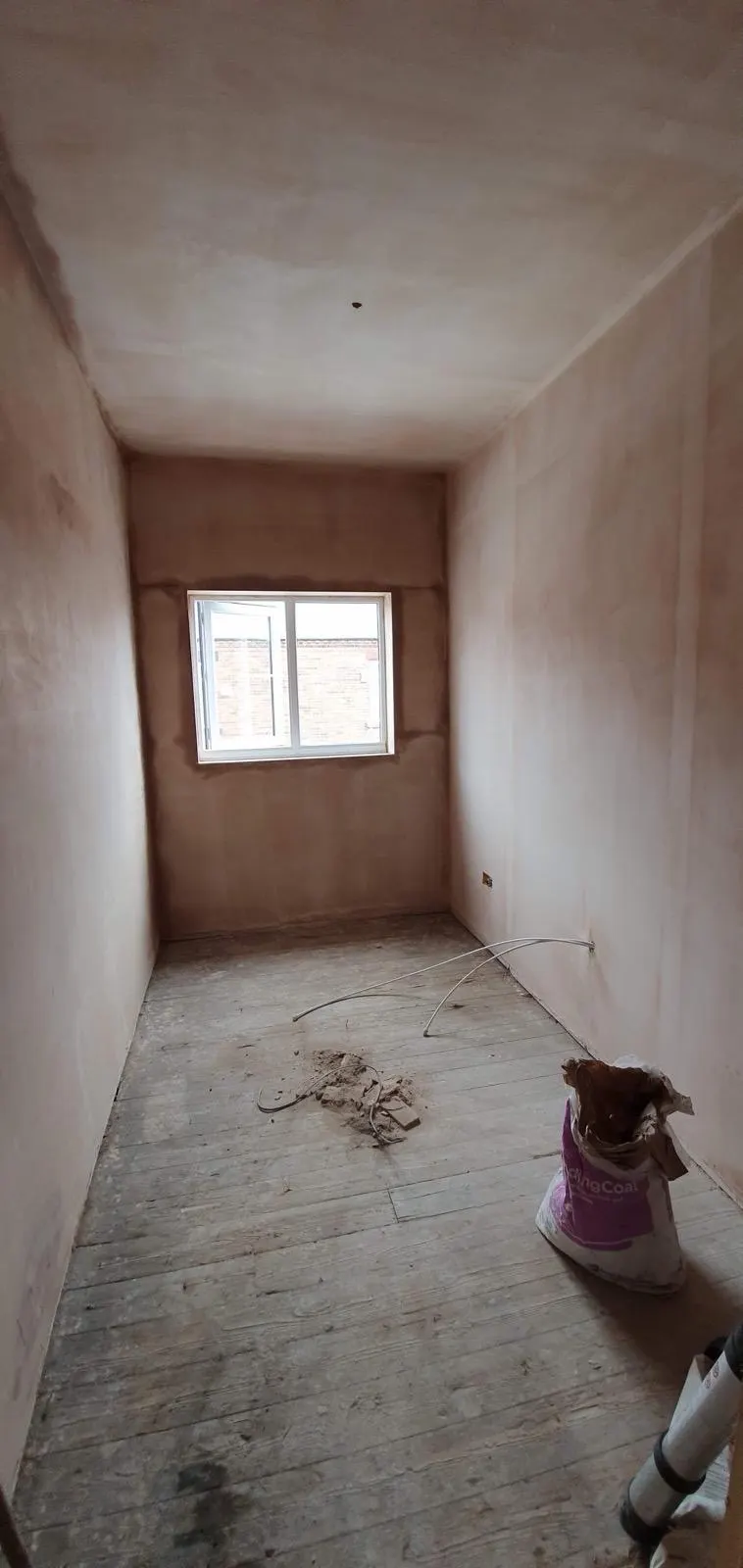
Black mould dealt with at the cause: cold walls warmed, surfaces treated and refinished.
→
Plastering
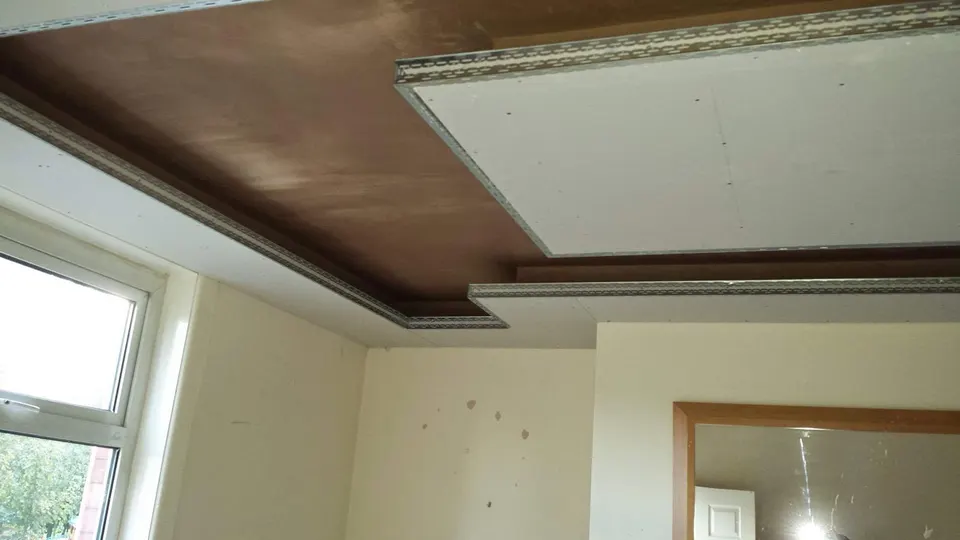
Skims, re-skims, boarding and making good, finished flat and ready for paint.
→
Skimming & Re-Skims
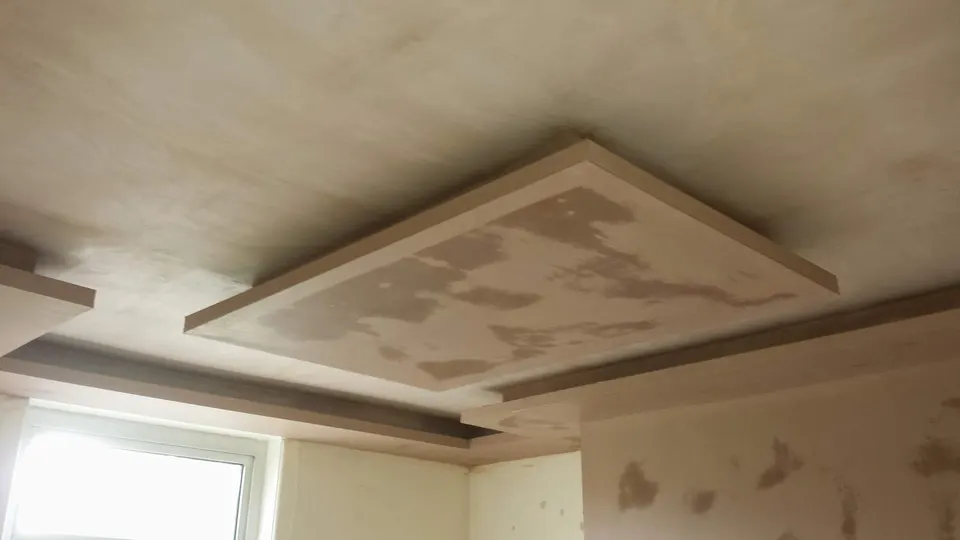
Walls and ceilings taken back to smooth, over old plaster, fresh board or tired paint.
→