

Mould Treatment That Deals With the Cause
Black mould and condensation dealt with at the source: cold walls warmed, affected plaster treated or renewed, and advice on keeping it away.
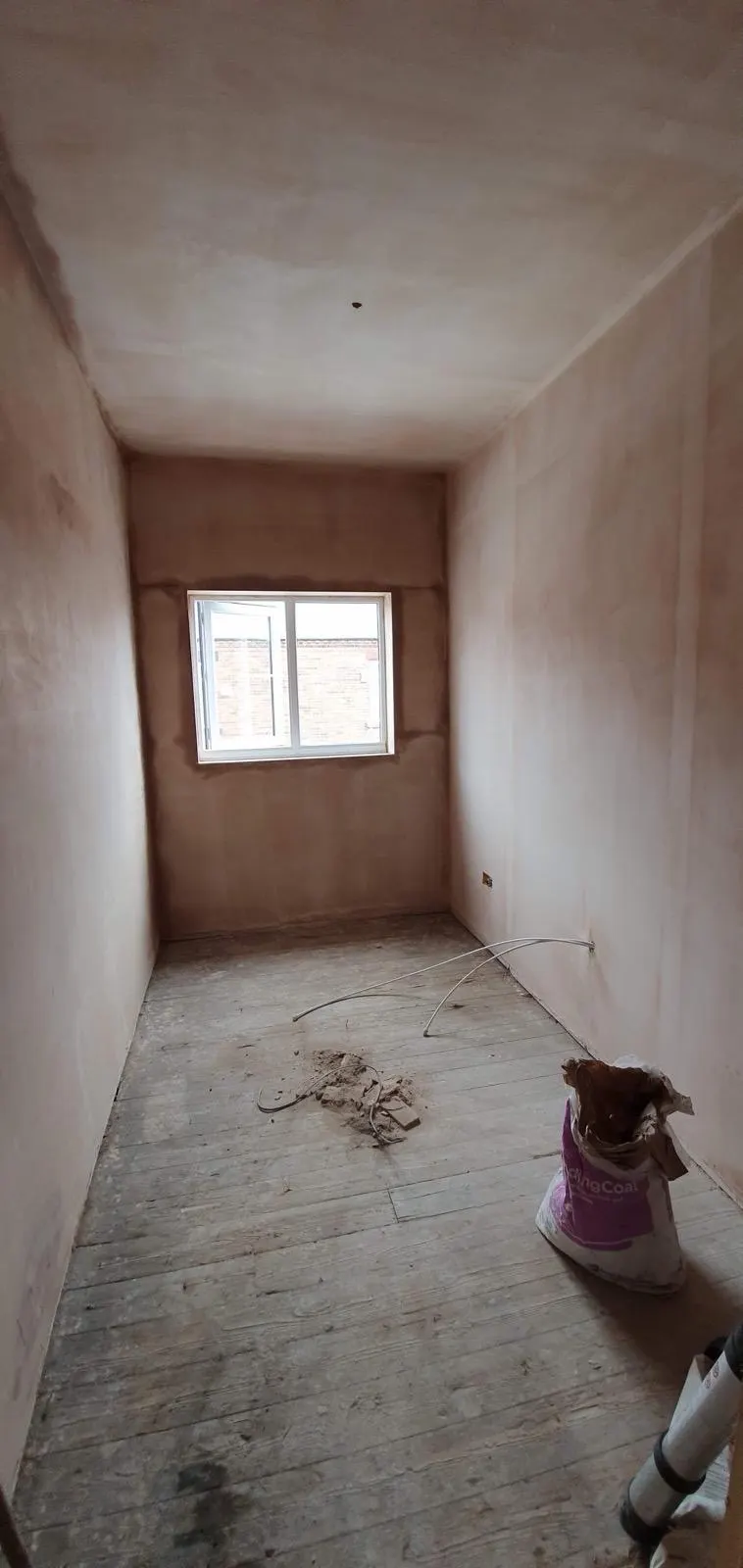
Mould Treatment, Start to Finish
Black mould in the corners, water running down the windows on winter mornings, a musty smell in the back bedroom: condensation is the most common damp problem in this area. Supermarket mould spray treats the symptom, and the mould returns with the next cold snap because the wall it grows on is still cold and still wet.
Condensation happens when everyday moisture from cooking, showers and drying clothes lands on cold surfaces. The older solid-wall terraces around Atherton and Leigh and the ex-council houses on estates like Hag Fold and Higher Folds get it worst, especially since draughty windows were swapped for tight uPVC and chimneys were blocked up. The moisture that used to leak out of the house now has nowhere to go.
We treat both ends of it. The mould and stained surfaces get treated and refinished, and the cold surfaces it grows on get changed, which is where the plastering side counts: insulated plasterboard on a cold outside wall raises its surface temperature and takes away the condensation. You also get plain advice on ventilation and heating habits, included with the job.
- Black mould treated and surfaces refinished
- Cold outside walls lined with insulated plasterboard
- Mould-stained plaster renewed where it’s too far gone
- Anti-mould additives in the finish where the room needs them
- Condensation separated from rising damp before any quote
- Practical ventilation advice included
Why Mould Keeps Coming Back
Mould needs two things: moisture and a cold surface. An average family puts litres of water vapour into the air every day, and when that air touches a surface below its dew point the water condenses out. That’s why mould picks the coldest spots in the house: north-facing corners, window reveals, the wall behind the wardrobe, the ceiling edge in the bathroom.
Bleach and mould spray kill what’s there, but they don’t warm the wall or dry the air, so the colony regrows within weeks. A treatment that doesn’t change the surface temperature or the moisture level is redecorating, not fixing, and a repaint alone rarely lasts a winter.
Warming the Cold Walls: Thermal Lining
The biggest fix for a chronic condensation wall is to stop it being cold. We line problem walls with insulated plasterboard, a layer of insulation bonded to the board, then skim it for a normal decorated finish. The room loses a few centimetres and gains a wall that’s warm to the touch, doesn’t hit dew point and doesn’t feed mould.
It suits the solid brick walls this area is full of, where cavity insulation was never an option. A cold gable bedroom or a north-facing back wall can be lined and skimmed in a couple of days, and the room is warmer and cheaper to heat afterwards. Where a full lining is more than the room needs, we quote the smaller fix instead.
Treating the Mould and Making Good
Surface mould gets treated with fungicidal washes rather than wiped. Where mould and moisture have got into the plaster or the paper has been peeling for years, the answer is usually to strip back, let the wall dry down and re-skim, with an anti-mould additive in the finish where the room calls for it. Stains from old growth get sealed so they don’t ghost through the new decoration.
Bathrooms and kitchens take the most steam, so they get finished for it: moisture-resistant boards where we’re boarding, and advice on paints that stand up to it. The aim is a room you decorate once.
Ventilation, Heating and the Cheap Fixes
Some of the fix costs nothing. Lids on pans, the bathroom door closed and the extractor running, clothes dried with a window cracked rather than on every radiator, background heat instead of blasts. Small habits move a surprising amount of moisture out of the air, and we walk through them on every mould job.
Where the house can’t breathe, we tell you what ventilation it needs, whether that’s trickle vents, a better extractor or a positive input unit in the loft, and the install goes to the right trade if it isn’t ours. What we don’t do is treat a condensation problem as rising damp. They’re different problems with different fixes.
Condensation & Mould Treatment FAQs
It’s not something to panic about, and not something to live with either. Mould spores aggravate asthma and allergies and are worst for babies, older people and anyone with breathing problems, so health guidance says deal with it rather than ignore it. Condensation mould is very fixable once the cause is treated.
No. Bleach and mould sprays clean the surface growth, which is worth doing, but the mould comes back because the wall is still cold and the air is still damp. Lasting results come from warming the surface, improving ventilation and refinishing the damage. That’s the work we quote for.
Condensation sits where surfaces are cold: corners, reveals, behind furniture, and it grows black mould. Rising damp climbs from the floor with a tide mark and blown plaster, and it rarely grows mould at all. We do damp proofing as well, so the diagnosis and the fix come from the same firm, whichever it is.
It’s priced per wall rather than per house, and a single cold wall is often all a room needs. Costs depend on the wall size and the finish. Set against years of scrubbing mould and repainting, one lined wall is usually the cheaper path. Free written quote once we’ve seen the room.
Yes. We work for landlords who need mould dealt with between tenancies or after a complaint, and we report on whether the cause is the building or the way the room is being used, backed by what we find. Written quotes and invoices for your records as standard.
Mould Treatment Where You Are
We work within about half an hour of our Atherton base. Pick your town for the local detail.
Atherton
Mould Treatment in Atherton, covering Hag Fold and Howe Bridge.
→Tyldesley
Mould Treatment in Tyldesley, covering Shakerley and Gin Pit.
→Leigh
Mould Treatment in Leigh, covering Pennington and Westleigh.
→Astley
Mould Treatment in Astley, covering Higher Green and Blackmoor.
→Hindley
Mould Treatment in Hindley, covering Hindley Green and Castle Hill.
→Westhoughton
Mould Treatment in Westhoughton, covering Wingates and Daisy Hill.
→Walkden
Mould Treatment in Walkden, covering Hill Top and Walkden North.
→Little Hulton
Mould Treatment in Little Hulton, covering Peel and Wharton.
→Worsley
Mould Treatment in Worsley, covering Boothstown and Ellenbrook.
→Farnworth
Mould Treatment in Farnworth, covering Kearsley and Stoneclough.
→Golborne
Mould Treatment in Golborne, covering Lowton and Lane Head.
→Bolton
Mould Treatment in Bolton, covering Over Hulton and Deane.
→Wigan
Mould Treatment in Wigan, covering Ince and Scholes.
→Horwich
Mould Treatment in Horwich, covering Blackrod and Middlebrook.
→Swinton
Mould Treatment in Swinton, covering Pendlebury and Wardley.
→Related Services
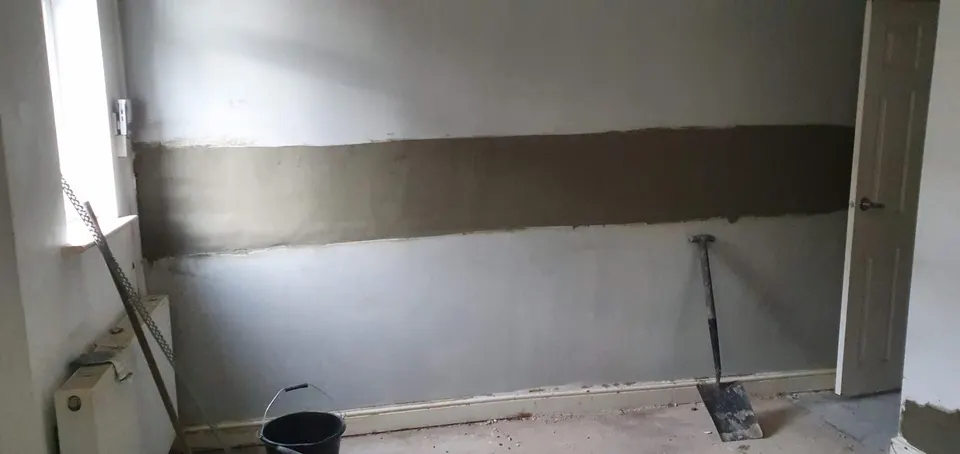
Damp Proofing
Rising damp found, treated and replastered, with the readings taken first.
→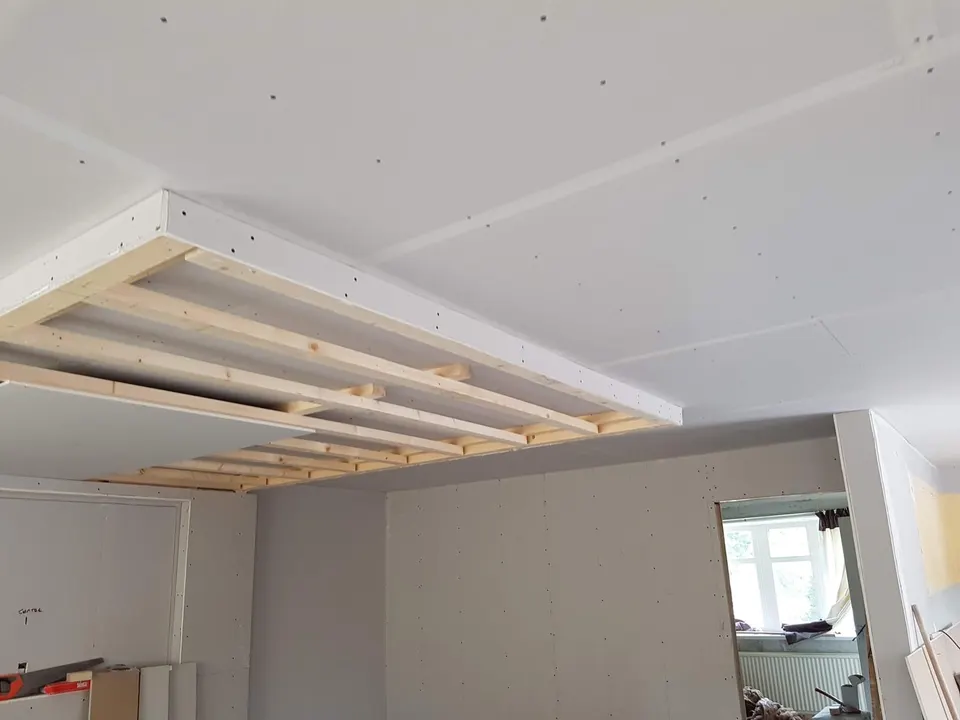
Plasterboarding & Dry Lining
Ceilings, stud walls and dot and dab, boarded straight and skimmed as one job.
→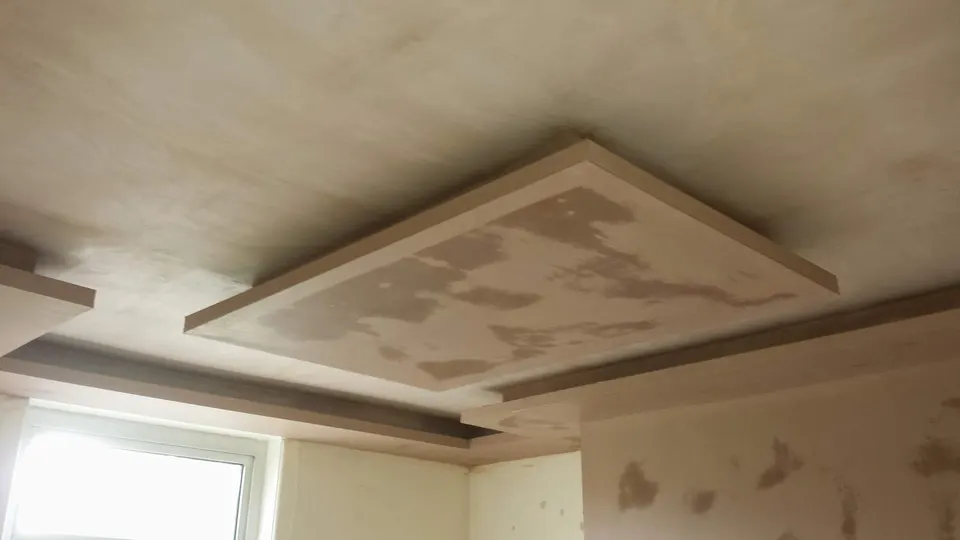
Skimming & Re-Skims
Walls and ceilings taken back to smooth, over old plaster, fresh board or tired paint.
→